
Home » Roof Ventilation Services – New
Proper roof ventilation helps manage attic heat and moisture while supporting your roofing system. When vents are damaged, blocked, or improperly balanced, your attic and roof may be more vulnerable to moisture problems and premature wear.
Savant Building Solutions provides roof and attic ventilation inspections, repairs, replacements, and new installations throughout Northeast Ohio. With over 30 years of roofing experience, our local, family-owned team evaluates ridge, soffit, gable, and other ventilation as part of your home’s overall roofing system.






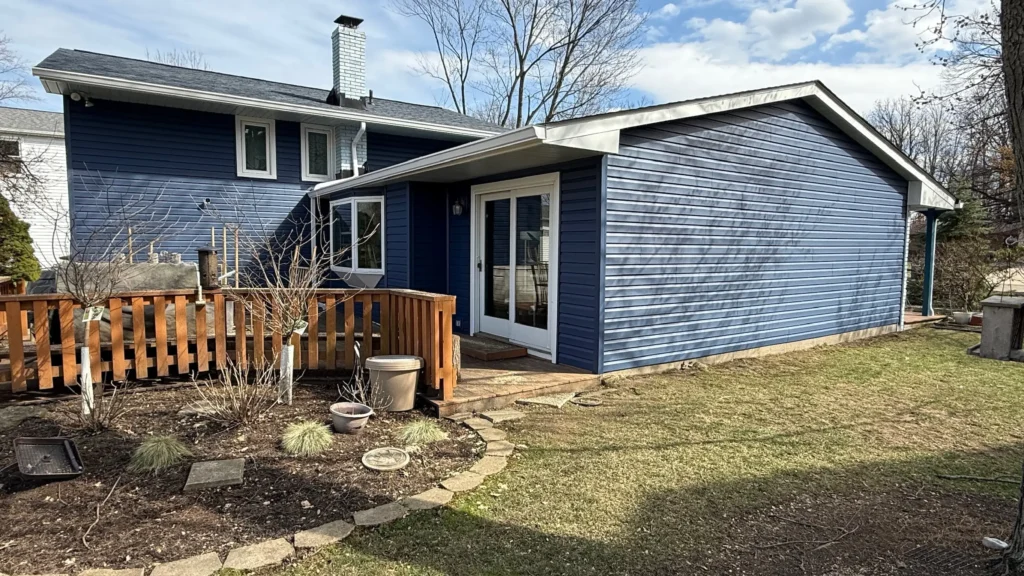
A properly designed roof ventilation system allows outdoor air to enter through intake vents and exit through exhaust vents. This continuous movement helps regulate attic conditions throughout the year.
Effective roof ventilation can help:
Ventilation works alongside insulation, air sealing, and the roofing materials themselves. This is the reason our team looks at the attic and roof as connected parts of the home rather than treating one vent as an isolated issue.
Every home has different roof and attic conditions, so ventilation needs can vary based on the roof design, existing vents, and available intake airflow. Our roof ventilation services cover inspection, installation, repair, and improvements to help address ventilation issues as part of the overall roofing system.

Our team examines existing vents, intake openings, attic conditions, and visible roofing components to identify ventilation concerns. We look for blocked, damaged, missing, or improperly functioning components.

When existing ventilation is insufficient or damaged beyond practical repair, new roof vents may be recommended. We consider the roof design and existing intake and exhaust points to determine the appropriate ventilation approach.

A properly installed ridge vent can provide continuous exhaust ventilation along the roof’s highest point. We evaluate ridge vent installation alongside available intake ventilation to support balanced airflow.
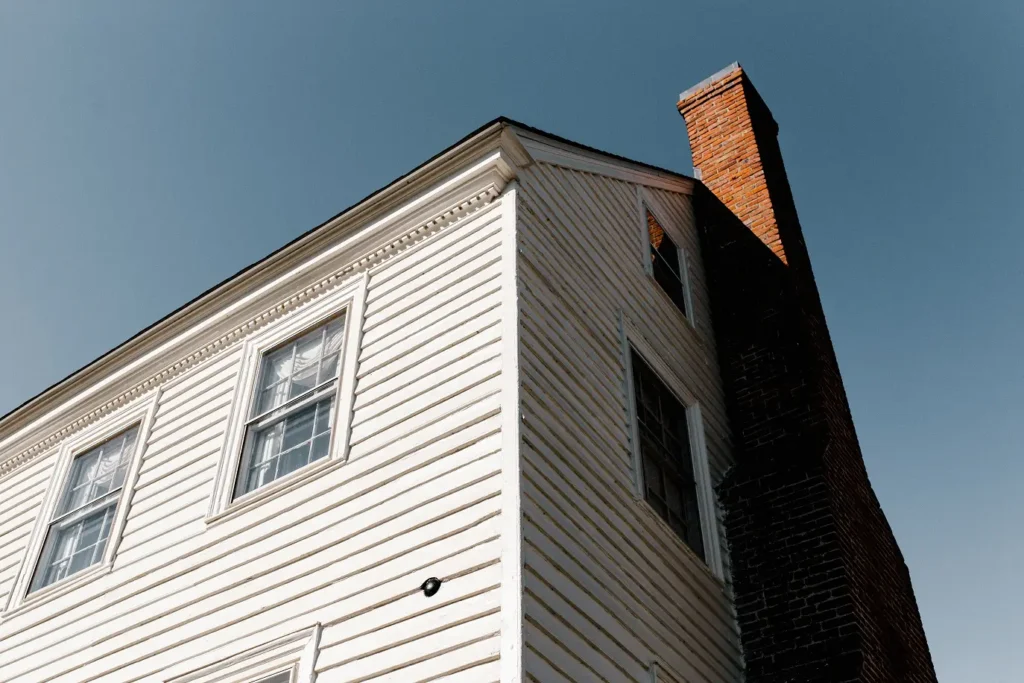
Soffit vents provide intake airflow that can move into the attic and toward exhaust vents. We inspect existing soffit ventilation and identify blocked or inadequate intake areas that may affect the overall roof ventilation system.
Damaged flashing, cracked vent components, loose materials, and other issues can affect both ventilation and weather protection. Our roof vent repair services address these problems while considering the surrounding roofing materials.
Different homes use different combinations of vents based on roof design, attic configuration, and existing construction. A functional system needs appropriate intake and exhaust airflow rather than simply adding more vents.
Intake vents allow outdoor air to enter the attic. Soffit vents are a common intake source, although other configurations may be appropriate depending on the home’s design.
Exhaust ventilation allows warm, moist attic air to leave the space. Ridge vents and other ventilation options may be used depending on the roof structure, attic configuration, and overall ventilation system.
A balanced system combines adequate intake with suitable exhaust capacity. During a roof ventilation installation, our team considers both sides of the system rather than focusing on exhaust alone.
Ventilation problems may develop gradually, so homeowners may first notice changes inside the attic or around the roof. Here are some common signs that may indicate a roof ventilation problem:
An unusually hot attic during summer may indicate that air is not moving effectively through the space. While some heat is expected, excessive temperatures can affect roofing materials and overall attic conditions.
Condensation on roof sheathing, nails, or other attic surfaces can indicate excess moisture. Poor airflow can contribute to moisture remaining trapped inside the attic.
Persistent moisture can create conditions where mold or mildew develops on attic surfaces. A ventilation inspection can help identify whether airflow is part of the issue.
Cracked, loose, blocked, or deteriorated vents may prevent your roof ventilation system from functioning properly and can also create openings where water may enter.
Water stains or moisture around vents may point to damaged flashing, deteriorated seals, or roofing problems. In some cases, the vent itself may need repair or replacement.
Ice buildup along roof edges can occur when roof temperatures vary during snowy weather. Ventilation is one factor worth evaluating when recurring ice buildup appears.
Northeast Ohio winters bring snow, freezing temperatures, and freeze-thaw cycles that can contribute to ice dams. These form when snow melts on warmer roof sections and refreezes near colder edges.
Attic heat can create uneven roof temperatures, allowing snow to melt higher up while the eaves remain cold. Poor roof ventilation can contribute, but insulation and air sealing also affect attic temperatures. Warm air escaping into the attic can increase heat transfer and contribute to snowmelt.
If ice buildup keeps returning, Savant Building Solutions can evaluate the roof, ventilation, and visible insulation conditions to identify contributing factors. We can also address related roof repair needs when needed.
Effective roof ventilation starts with understanding your roof and attic conditions. Here’s what to expect when you work with Savant:
We examine the roof surface, vents, flashing, intake areas, and visible components for signs of damage or airflow concerns.
After reviewing the available evidence, we determine whether the issue relates to damaged vents, inadequate intake, blocked airflow, moisture, roof damage, or another condition.
We explain the available repair or installation options based on the condition of your roof and ventilation system.
Once the work is approved, our team completes the recommended roof vent installation or repairs using appropriate materials and installation methods.
Roof ventilation is part of a larger roofing system, so choosing the right contractor matters. Savant takes a whole-roof approach to ventilation concerns, repairs, and installations.
*Emergency response within 4 hours refers to our emergency inspection protocol. Fees may apply.
Many homes benefit from properly designed attic ventilation, but the right configuration depends on the roof design, attic construction, insulation, and existing airflow. An inspection can determine what your home needs.
Excessive attic heat, condensation, moisture, mold or mildew, damaged vents, water around roof vents, and recurring winter ice buildup can indicate ventilation concerns.
Yes. Cracked vent components, deteriorated seals, damaged flashing, or improper installation can create pathways for water to enter the roof assembly. Roof vent repair can address some of these problems.
Ventilation can affect attic and roof temperatures, which may contribute to conditions associated with ice dams. Insulation, air leakage, snow, and outdoor temperatures also affect ice buildup.
Our team examines visible roof vents, intake and exhaust areas, flashing, attic conditions, and related roofing components. We then identify contributing issues and recommend appropriate repairs or improvements.